Qigong what is
Qigong what is refers to physical and mental training. to maintain health Its root is derived from the word chi, meaning life force, which is present in the human body and all living things. in different ways But most are in the form of electrical charge and heat waves. Humans take chi from the outside through food, breathing, sunlight, walking on the ground. Kong means action or work to obtain life force.
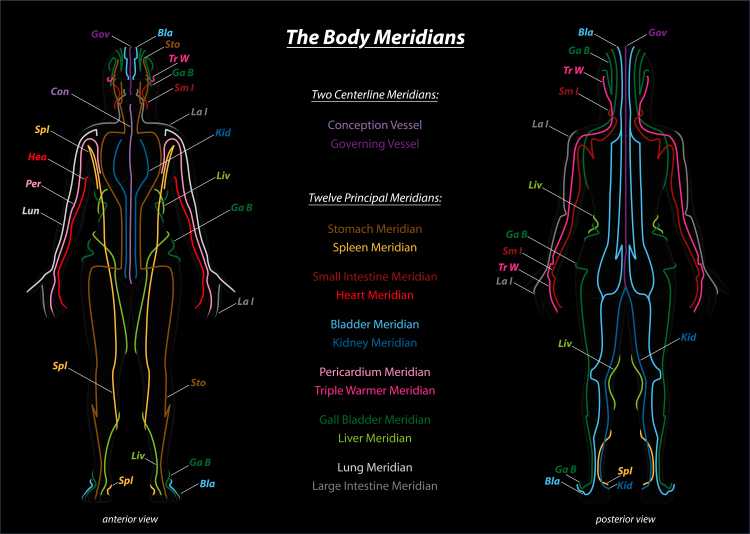
Every human being has a life force within him. But there will be some amount, depending on the condition of the body and mind. Those who are sick have less vitality than those who are physically strong. History Qigong is more than 2,000 years old, and in its early days, the emphasis was on dancing and imitating the movements of animals.
Ancient Chinese physicians developed and developed a training regimen to guide their own patients widely Chinese medical textbooks consist of The story of herbs, acupuncture and Qigong practice Currently, there are more than 3,000 types of qigong practiced by the people, each with varying degrees of difficulty and efficiency.
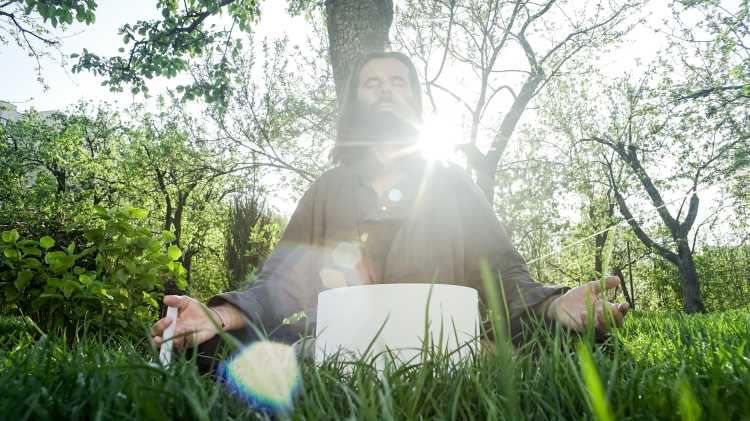
Important factors in Qigong practice Important factors that are important include:
1. Trainers have knowledge and understanding. do regular practice And while it is appropriate, the mind is at peace with a moderate amount of comfort. Not in a very angry or stressful mood. And the body is not very tired or has a high fever.
2. The training site is suitable. have clear air sunshine The proper time to practice is morning and evening.
During the practice, you should take off your shoes and stand on the ground, grass or wood. Do not stand on cement or marble (but if necessary, wear shoes or cloth to support your feet. both sides)
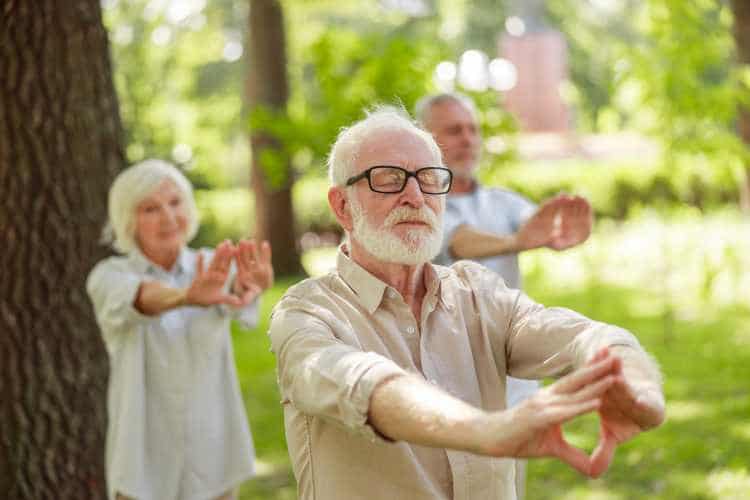
Qigong and scientific experiments Modern science has researched the effects of Qigong practice. both in vitro and in patients with various diseases which can be briefly summarized as follows:
1. The life force generated by Qigong practice can kill germs in vitro and in petri dishes.
2. Qigong practice improves micro circulation. After practice, it is often observed that the practitioner’s skin temperature rises.
3. Qigong practice can increase the body’s ability to fight off allergens (Ryu, H et al. 1996), thus it can be used to effectively treat allergy symptoms.
4. Qigong practice can increase CD4 leukocytes in the bloodstream in volunteers practicing Qigong. for more than 5 months consecutively (Tyu, H et al. 1994). 5. Qigong practice in hypertensive patients. will help reduce blood pressure as well as reducing the use of drugs to treat high blood pressure

Benefits of practicing Qi gong
Practicing qigong has many health benefits and healing benefits. The reason for this is because the practice of qi gong causes transformation and creation. balance of body and mind which can be summarized as follows:
1. Qigong practice exercises the body to cause flexibility of joints and tendons. Bones and muscles are strong.
2. The practice of breathing in, the belly inflates, exhales, the belly collapses during practice. It will help you breathe deeply. the lungs get oxygen Efficiently expels carbon dioxide.
3. Qigong practice is a meditation that helps calm the mind. relax the body decreased heart function and balance the autonomic nervous system
4. The immune system works better. more balanced
5. The body’s hormones are more balanced, such as reducing the hormones of the adrenal glands that may be too high, etc.
6. The autonomic nervous system works more balanced, very useful in people with high stress. , including:
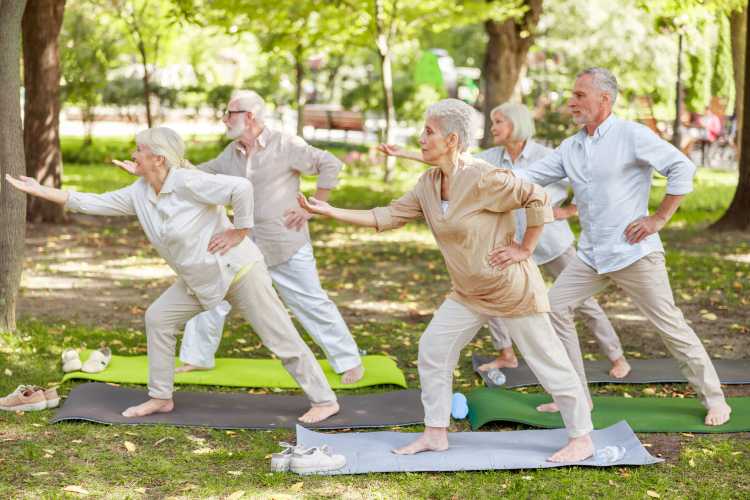
Stress, such as shortness of breath, palpitations, restlessness, insomnia, panic attacks These symptoms should be practiced for 15-30 minutes a day.
Allergies such as a runny nose in the morning, coughing, sneezing, stuffy nose, these symptoms should be practiced for 15-30 minutes a day.
high blood pressure is a blood pressure greater than 160/90 mm Hg. You should spend about 30-45 minutes practicing each day.
Cancer, especially some types of cancer, such as leukemia and breast cancer, should take 2 hours of training per day.
Practicing Qigong to help heal this disease. It should be understood that it must be used in conjunction with treatment by modern medicine. Any patient receiving medication should continue to monitor treatment. while practicing Qi gong to enhance the treatment to be more effective